Small Charity Diaries: 7 Libraries built in 4 years in Rural Malawi
- Fisherman's Rest Malawi

- Mar 12
- 4 min read
Everyone loves a themed month. April is “School Library Month”, so why not take you on a trip down memory lane?
We can’t quite believe that we started building libraries ten years ago! Back then we were such a small charity. Only a few years into being an “official” charity with the Charity Commission and gaining larger-scale funding from companies in the UK.
A pivotal moment.
Now, we’d still class ourselves as a small charity but we’ve grown a lot in the last decade! And we’re only going from strength to strength in our impact and communities both globally and in Malawi.
Here’s our walk-back-in-time with the library project.
A timeline of libraries built in rural Malawi

How a Small Charity building Libraries can have a HUGE impact on a generation
Perhaps the first question to answer is how did we, a small charity, get into building libraries?
Living in rural Malawi we’d had involvement with schools, donating books, desks and school benches (a lot of children were sitting, and still sit, on floors to learn). We knew that raising the standard of education was one key way to bring more commerce and economic wealth to a poor area.
What we didn’t know was how big an impact we’d end up having. Our schools’ literacy project started in earnest with The Book Bus (a mobile library charity) in 2013/2014, we hosted volunteers from the UK reading and running literacy workshops in our local schools.

Malawi’s rural schools around us had no books, the few they had were so valuable they were protected by teachers and rarely used in large classroom settings. Across the country, it’s still the case. Because of a complete lack of reading material (including basic curriculum books), large class sizes (100+) and few teachers, Malawi's literacy rate in primary schools is low.
I’ve combed the internet for stats, to give you an idea of the country-at-large literacy rate in primary schools. 47%* of children in the country finish secondary school, a number that makes you see how basic literacy skills will be in most children leaving primary school. I found one statistic estimating that 41.9%** Year 5 aged pupils cannot read.
* Unicef
Malawi has made considerable progress in its education sector, we shared with our 40 secondary student sponsors that the Malawi government has just made secondary education free, however the quality of education and rural resources remain a challenge. Adult literacy rates have fallen in the last couple of years.
We saw all these problems travelling around schools with the Book Bus back in 2013/2014, but mainly the lack of books and lack of chalk, forcing teachers to use voice and memorization over reading and writing.
A joy we've discovered working in Malawi is this, as awareness grows and conversations happen so does provision. It wasn’t long before funds started gathering for libraries and containers loads of books started pouring in.
Momentum snowballed and from 2014-2017 6 libraries were built through us and the building team we put together, two of which are connected to complete new school builds.
The 7 libraries built in rural Malawi
Mpemba Library


Mtemaumo Library




Chipwepwete Library


St Mary’s Chimwabvi Library

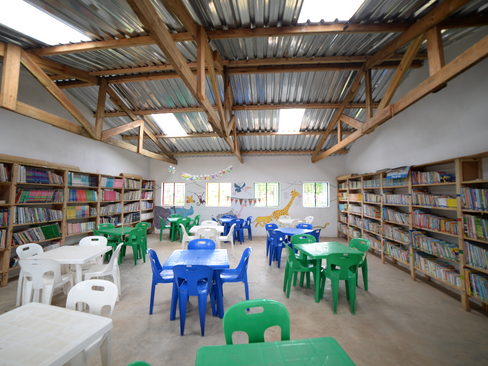

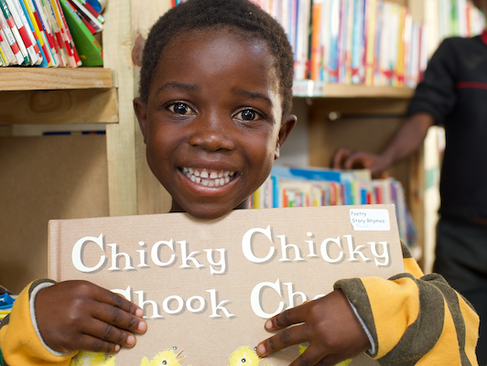
Nankhufi 2 Library


Nankhufi 1 Library


Horton CDSS (mental note to get internal pictures of the library!)


It’s true there’s power in books
School’s had no idea how to monitor, log and handle the 3,000+ influx of books into school. Mbemba and Mtemaumo were chaotic at the start, with systemised libraries quickly falling into disarray.
It’s a little trial-and-error when implementing new things!
We quickly realised that full-time librarians were essential to the set up of new libraries. For four years we employed 5 full-time librarians who created systems, time-tables, reading culture and good borrowing practices in schools. Instilling the value of, and looking after, books.
Mpemba library in 2016
Fast forward to 2026 and the schools all manage their own libraries with government support, we’ve been able to step back and see the ongoing impact.
Statistics and the libraries
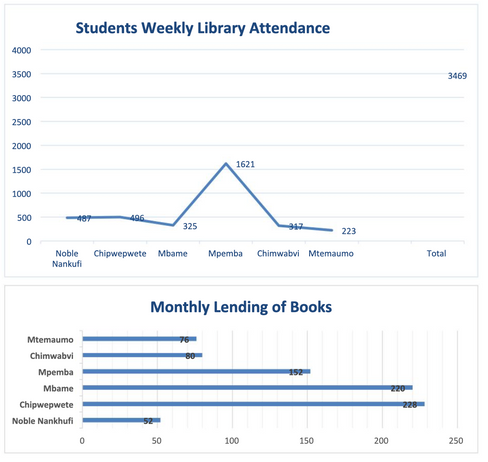
Without a book in sight to suddenly having access to thousands we wondered how pupils would receive them. In St Mary’s primary school we logged on average 1500 books being read each month. Other schools showed similar usage, and that continues today with many secondary school students telling us how their libraries enabled them to study more, gave them access to curriculum books and helped them pass their exams.



2025 saw 5 Horton CDSS graduates gain places to university, all from primary schools with libraries.
In late 2018/19 Nankhumba Zone had the highest primary school pass rates in rural Blantyre The District Education Minister directly attributed the change to the multiple school libraries.
The Headmistress of Mpemba Primary school saw her percentages of pupils’ literacy rise, along with the numbers of pupils selected for National and District Secondary schools.
Pretty incredible for a small charity, where things start by meeting one need…
The Future of Nankuma and Madziabango Zone Libraries
We lightly touched on this. Today the libraries are managed by the schools they’re in, which is a thrill in itself. That schools and pupils have gone from creating chaos in libraries to reception-aged children being taught how to turn pages of books without ripping them and the proper shelves to put them back onto.
In all our projects the end-game is to withdraw our support and make space for a natural continuation of what’s been implemented. For some projects we know it takes YEARS to achieve, which is why we work on a long-term basis with communities, but others things can be taken over much quicker. The libraries fall under this umbrella, and we couldn’t be happier.
Each time we let go of a project, space opens up to support something else or put our efforts into another of our projects. That’s the absolute pleasure of being a small charity not governed by large-scale overseas funding pressure or short-term timelines with short-term thinking.
We love what we do and we hope you catch (or have caught) the vision and are journeying with us.


Comments